Have you ever wondered why, in a world of uniform circular plates, Japanese high-end dining feels so distinctively artistic? When you step into a traditional Ryokan (luxury inn) or a Ryotei (exclusive restaurant) in Kyoto, you aren't just served food; you are presented with a landscape. The plates aren't just vessels—they are crescents, mountains, and pedestals.
In this article, we explore the world of avant-garde Japanese tableware that defies convention. Why do these "odd" shapes exist, and how can they elevate your modern home from a simple dinner to a curated "Omotenashi" experience? Read on to discover the secret philosophy behind these designs and how you can even use them to create a mesmerizing underwater world in your aquarium.
The Mystery of the "Missing Space"
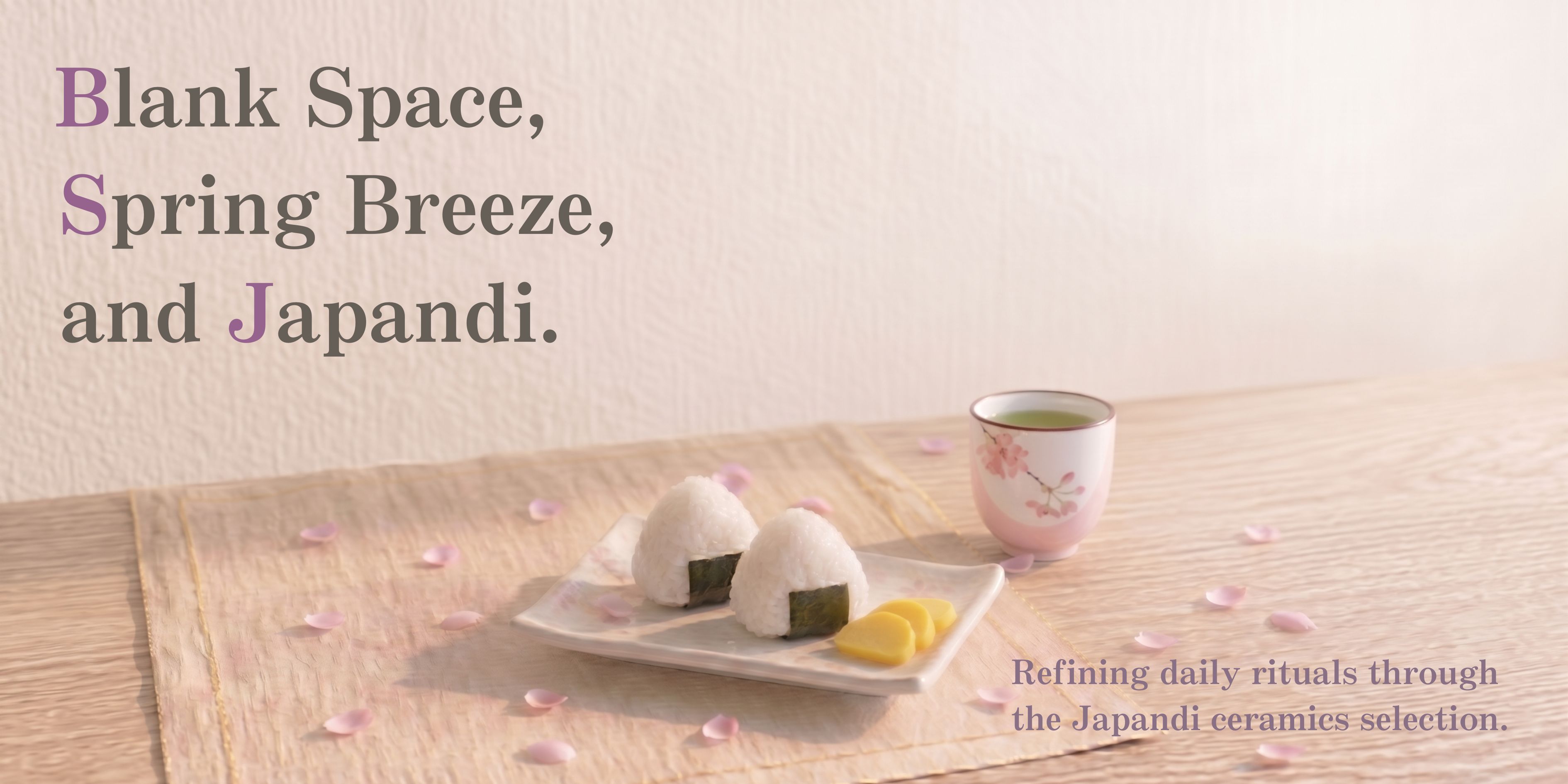
In Western dining, the goal is often to fill the plate. In Japanese Kaiseki culture, the most important element is Yohaku—the beauty of empty space. A unique, asymmetrical plate isn't designed to be covered; it’s designed to frame the food like a painting. But what happens when you take these pieces out of a traditional setting and put them into a modern North American home?

Gold & Black Crescent Bowl
The crescent moon is a symbol of growth and renewal in Japan. This bold, avant-garde shape creates a dramatic "wall" for your food, adding verticality to your table setting.
Perfect Pairing: Fresh Sashimi with gold-leaf accents, or a modern fusion Beef Carpaccio. The dark texture makes vibrant reds and greens pop.

Gold Crystal Fuji Shaped Plate
Nothing says "Japan" like the silhouette of Mt. Fuji. This plate uses a crystalline glaze that shimmers like morning frost on the summit.
Perfect Pairing: Wagyu steak with sea salt, or a sophisticated dessert like a lemon tart. In North America, use it as a stunning centerpiece for artisanal cheeses.

Blue Footed Pedestal Bowl
In Japanese coursed meals, height is used to signify importance. This "footed" bowl lifts your dish above the others, creating a three-dimensional landscape on your table.
Perfect Pairing: Chilled seafood salad or a scoops of matcha gelato. Its deep blue hue mimics the ocean, making it ideal for ceviche.
Trivia: The World of High-End "Ryotei" Dining
If you travel to Japan, visiting a Ryotei is the pinnacle of culinary luxury. These are not just restaurants; they are private havens where the architecture, the garden, and the tableware are as important as the chef.
- The Price of Perfection: A dinner at a top-tier Ryotei can range from $200 to over $600 per person. You are paying for ingredients at their absolute peak of seasonality.
- The Course Flow: You begin with Sakizuke (appetizer) and move through Mukozuke (sliced raw fish) and Wanmono (lidded soup). Each course uses a completely different style of ceramic to reflect the season.

Stripe Lidded Steamed Bowl
The "lidded" bowl is all about anticipation. In Japan, the act of lifting the lid to release the steam and aroma is a key part of the sensory experience.
Perfect Pairing: Savory egg custard (Chawanmushi) or a delicate truffle risotto. The lid keeps the dish warm while surprising your guests.

Dyed Red Brush Kohiki Nanban Square Bowl
With its earthy texture and bold red brushstroke, this piece represents the Wabi-Sabi aesthetic—finding beauty in imperfection and raw power.
Perfect Pairing: Grilled root vegetables or braised short ribs. The square shape breaks the monotony of round plates used in standard sets.

Fugetsu Round Lidded Mukozuke Bowl
Classically used for the second course of a Kaiseki meal, this lidded bowl features elegant, understated designs that feel like a secret shared between the host and the guest.
Perfect Pairing: Clear soups with seasonal vegetables or even a unique way to serve a warm molten chocolate cake.
A Creative Twist: Tableware for Your Aquarium?
While these pieces are crafted for dining, their artistic value extends beyond the table. Imagine the Gold & Black Crescent Bowl at the bottom of a luxury aquarium. The shimmering gold accents catch the light, reflecting off the scales of colorful tropical fish, while the dark texture provides a sophisticated backdrop that mimics a volcanic seabed.
Alternatively, the earth-toned Nanban Square Bowl can look like an ancient artifact discovered on the ocean floor, adding a sense of history and "sunken treasure" mystery to your tank's decoration. High-quality ceramics are stable and provide unique hiding spots for aquatic life, blending art with nature in a way your guests would never expect.
Conclusion: The Art of the Unexpected
Whether you are hosting a gala at home or looking for a gift that will be remembered for decades, unique-shaped Japanese ceramics are the answer. They remind us that dining is not just about nutrition—it’s about the "Aha!" moment when beauty meets the plate.
Explore our full collection and find the shape that speaks to your style.