Journal
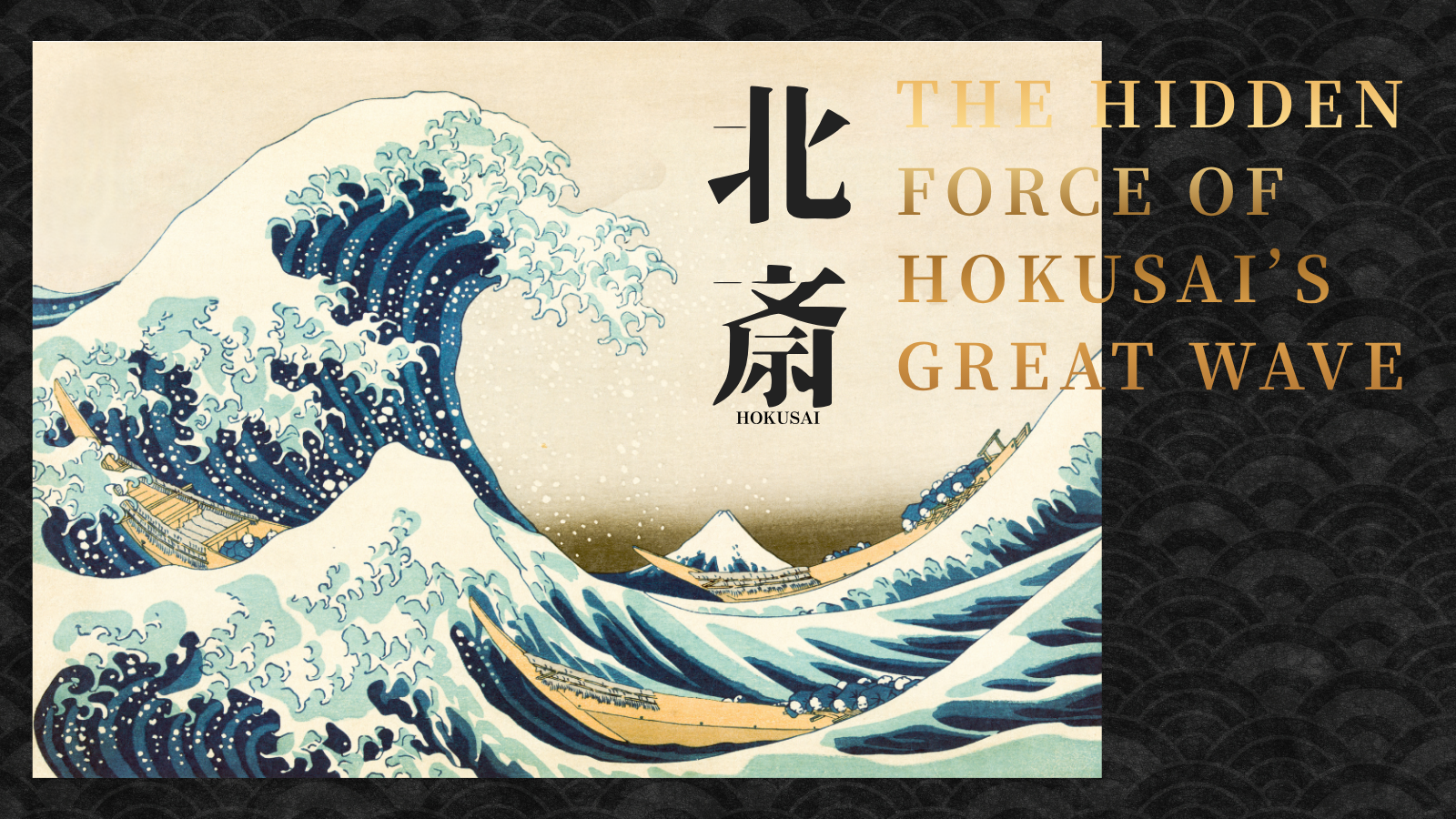
Great Wave
Riding the Wave of History: How Hokusai’s Masterpiece Ignited Japonisme and Can Transform Your Modern Table
Discover the hidden design secret behind Hokusai's "The Great Wave off Kanagawa" and explore how the cultural phenomenon of Japonisme reshaped Western art. Bring this eternal, cinematic energy into...
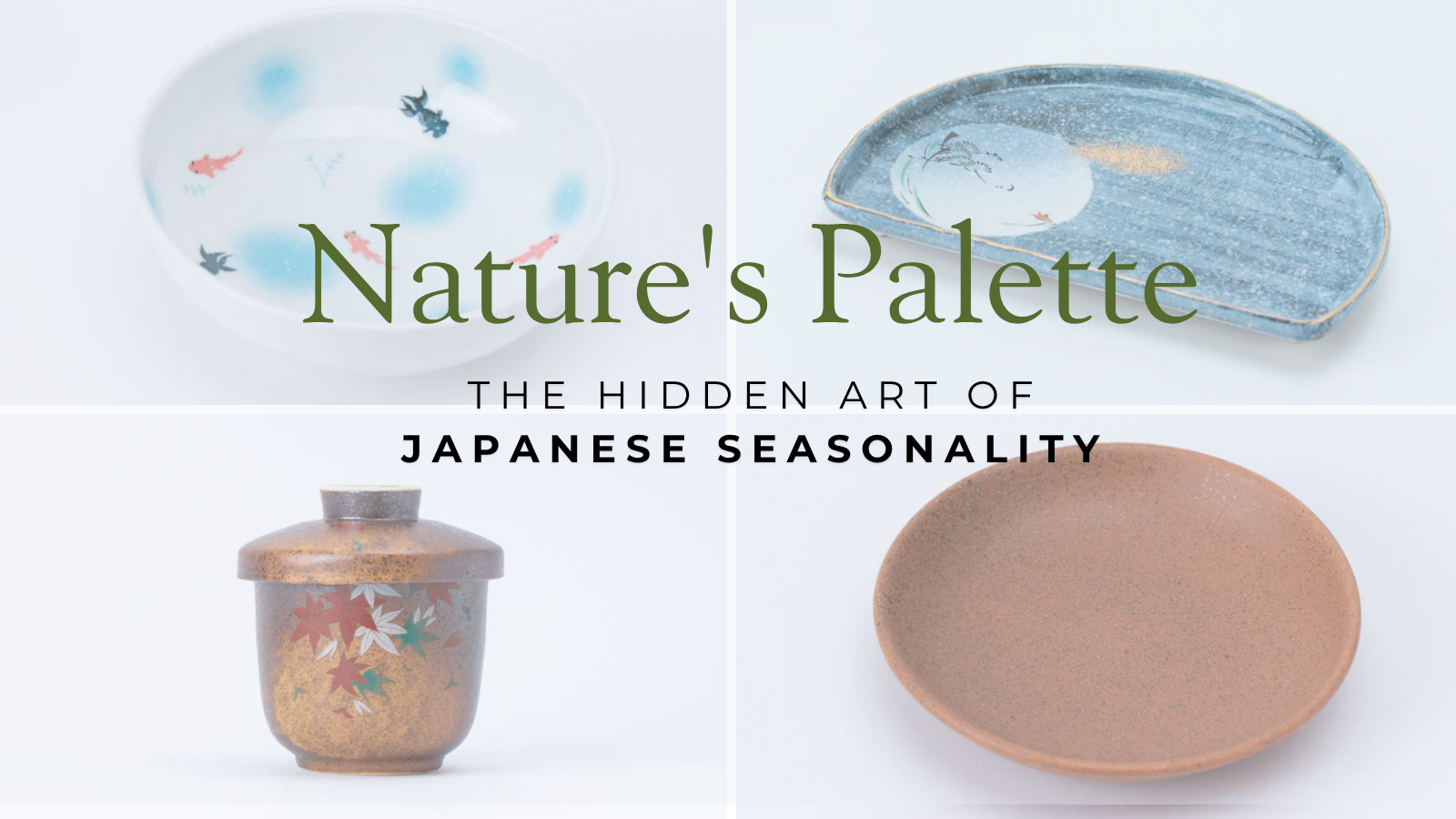
Art of Dining
Embracing the Poetry of the Seasons: How Shun, Kisetsukan, and Nature's Palette Transform Your Table.
Explore how the traditional Japanese concepts of Shun, Kisetsukan, and Nature's Palette can transform your daily dining into a mindful celebration of the seasons, complete with cozy childhood refle...
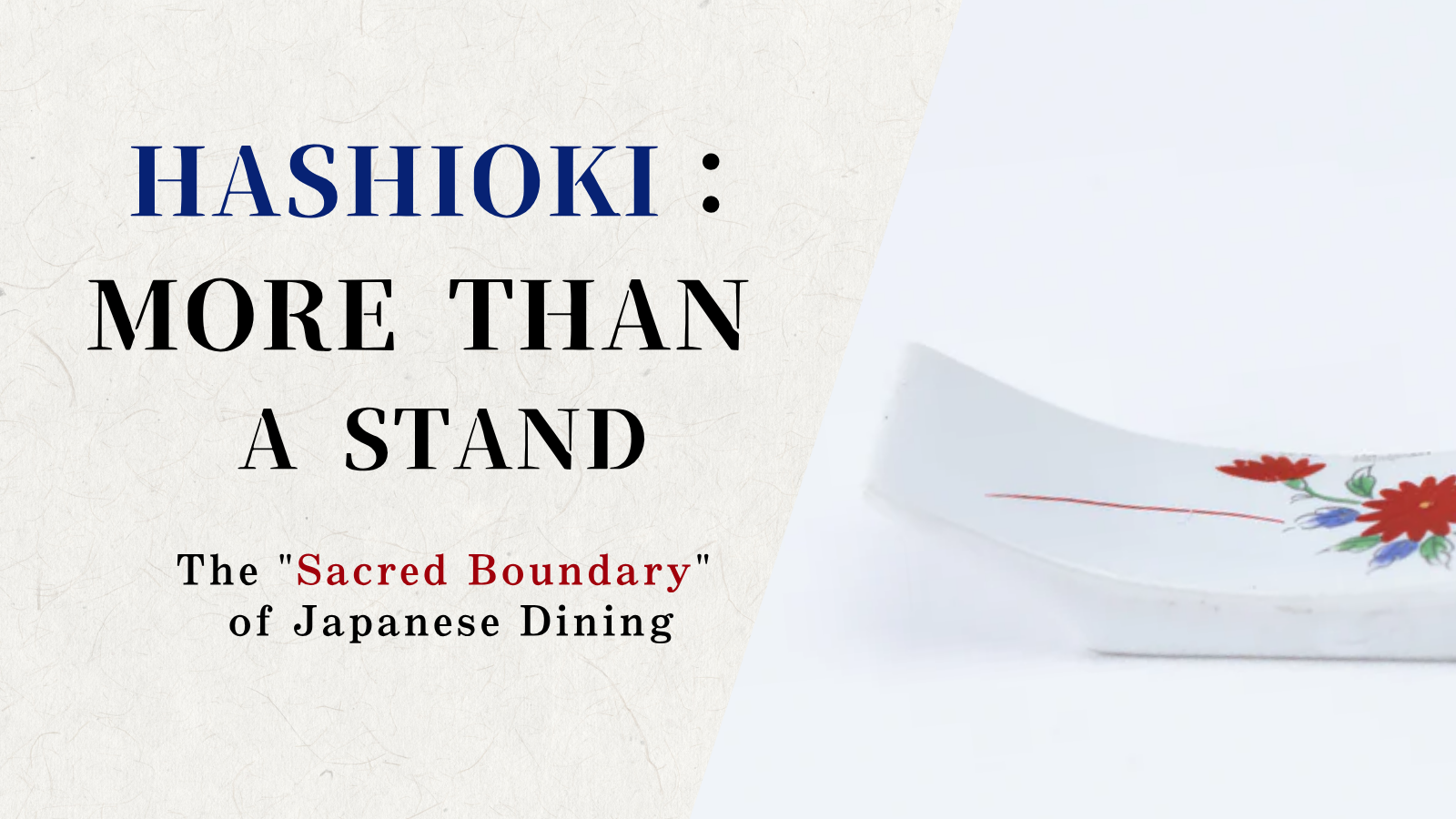
chopstick rest
Why Do Japanese Use Chopstick Rests? More Than a Stand: A 'Sacred Boundary' for Your Table
A chopstick rest is not just a tool; it is an essential item representing the concept of kekkai (a sacred boundary) and a deep appreciation for food. Featuring rests that highlight traditional craf...
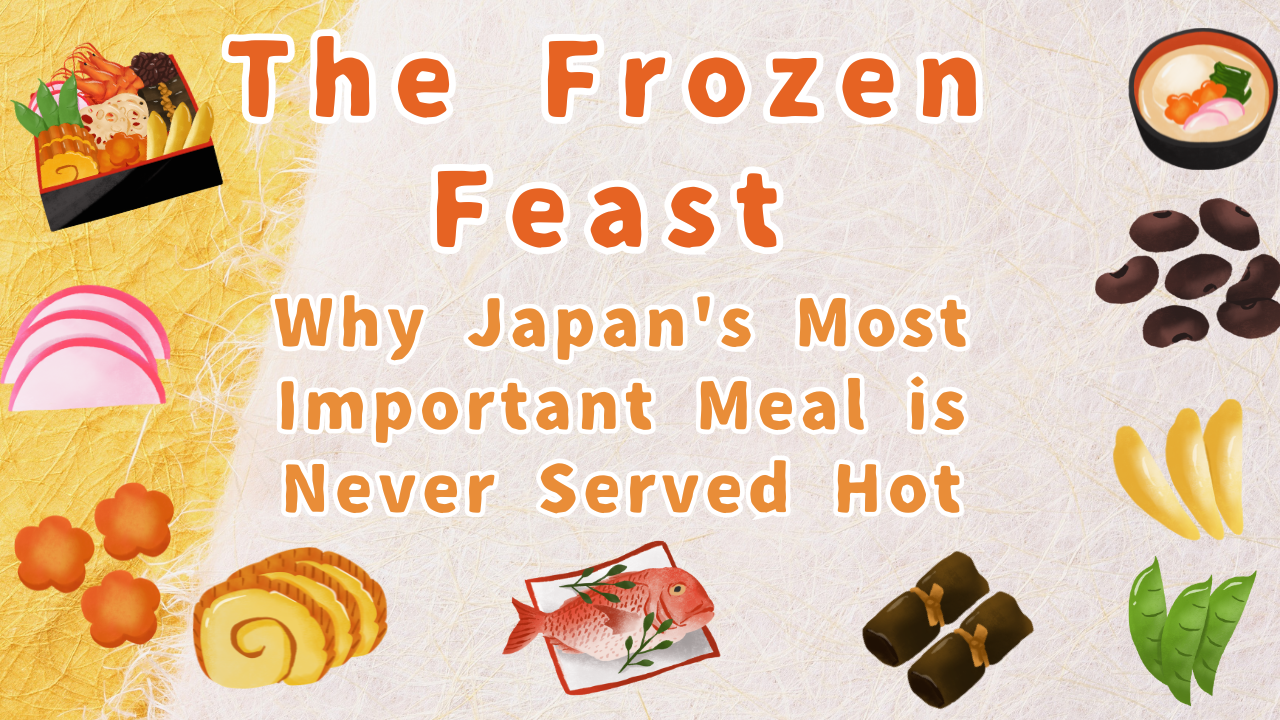
bento box
The Frozen Feast: Why Japan's Most Important Meal is Never Served Hot
Why is Japan's most sacred holiday meal always served stone-cold? Discover the 1,000-year-old spiritual contract that shuts down the kitchen for the first three days of the year, and learn how to u...
creative reuse
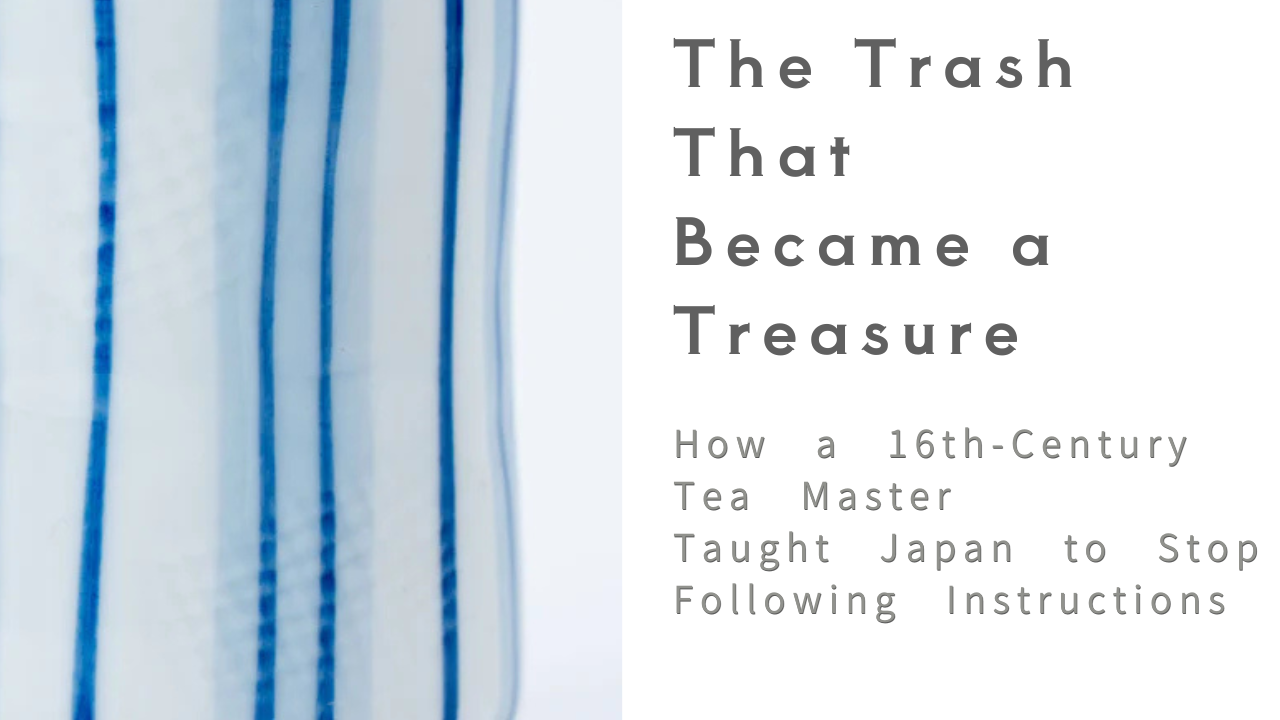
The Trash That Became a Treasure: How a 16th-Century Tea Master Taught Japan to Stop Following Instructions
Why do Japanese designers use tea saucers as soap dishes and ramen bowls as flower vases? Discover the psychological magic of "Mitate"—the 500-year-old art of re-imagining objects through pure imag...
artisanal
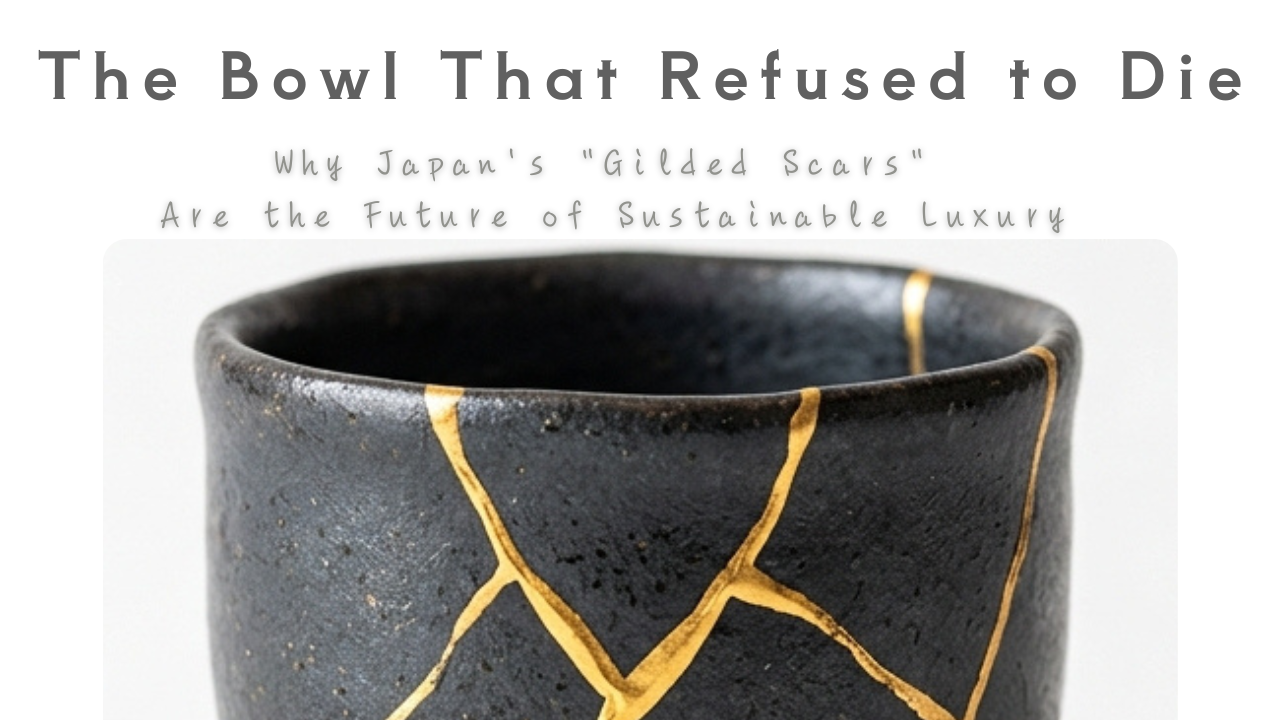
The Bowl That Refused to Die: Why Japan's "Gilded Scars" Are the Future of Sustainable Luxury
Why does a broken teacup in Tokyo sell for 10 times the price of a perfect one? Discover the powerful Japanese philosophy of **Mottainai**—the ultimate antidote to our "Fast-Fashion" culture—and le...
Donburi Bowls
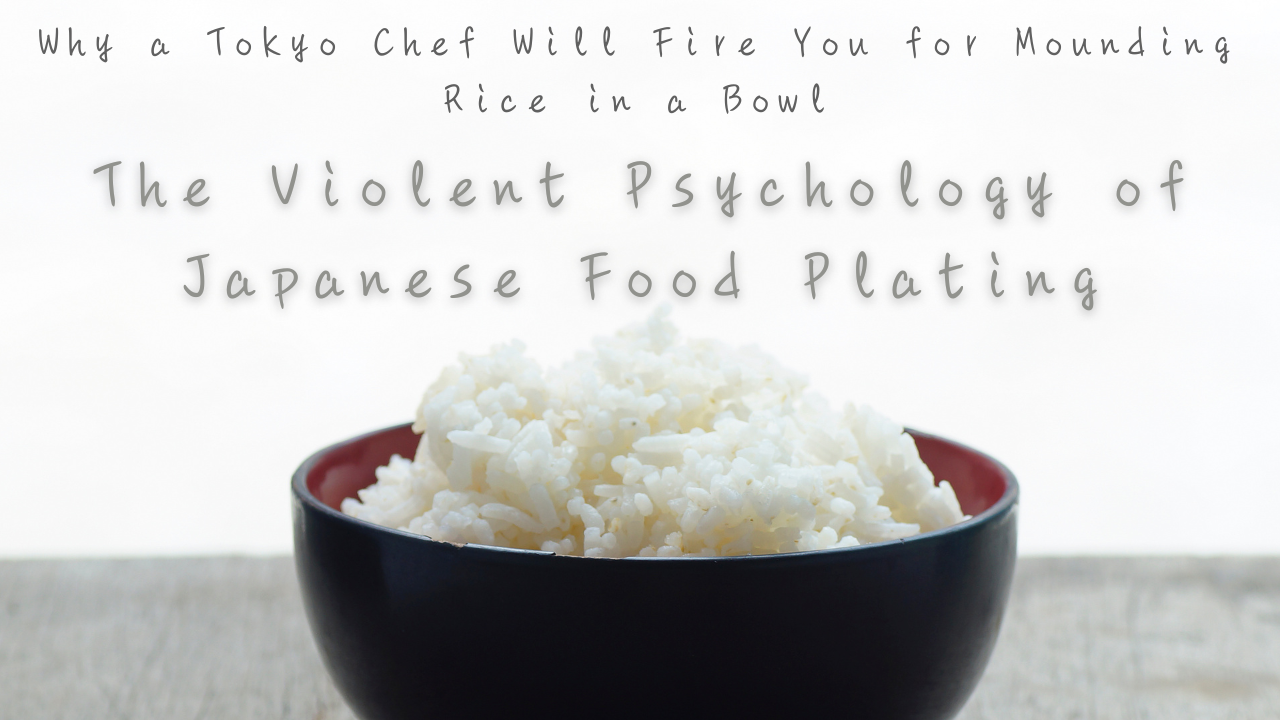
Why a Tokyo Chef Will Fire You for Mounding Rice in a Bowl: The Violent Psychology of Japanese Food Plating
A Tokyo chef will fire you on the spot for mounding rice in a bowl—not for aesthetic reasons, but because the shape mirrors funeral offerings. Discover the four ancient Japanese plating principles...
Japanese Ceramics
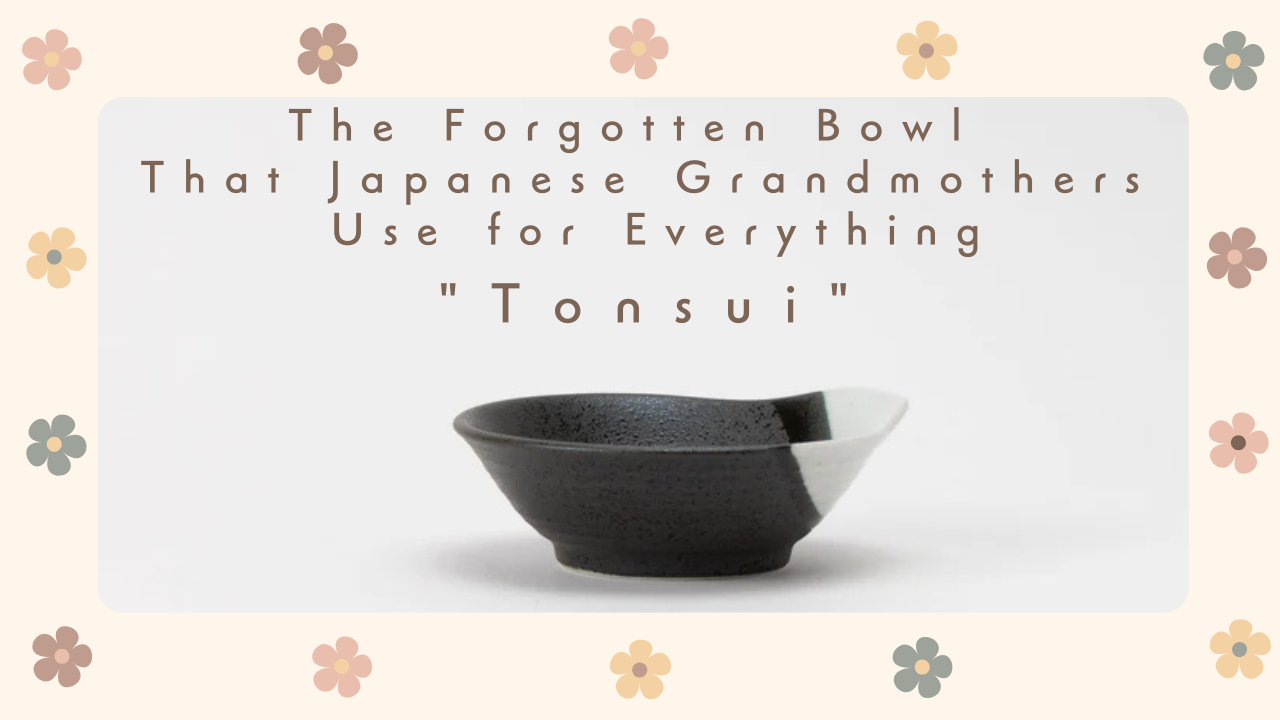
The Forgotten Bowl That Japanese Grandmothers Use for Everything: Why "Tonsui" is the Secret Weapon of Hot Pot Season
Ever wondered why some Japanese bowls have a mysterious curved notch cut into the rim? That single indentation solves a 400-year-old hot pot problem—and reveals the profound Japanese philosophy of...
ceramic plates
Why Japanese Chefs Intentionally Leave Your Plate Empty
If you eat at a $300 Tokyo Michelin restaurant, the chef will serve 3 tiny pieces of sushi off-center on a massive, empty plate. Are they scamming you? Learn the terrifying psychological power of "...