The Mystery of the Cold Celebration
Imagine the most important holiday of the year. In North America, it’s Thanksgiving or Christmas. The house is filled with the smell of a roasting turkey. The stove is screaming. The host is sweating, frantically checking the oven every ten minutes. Everything must be served at exactly the same time, at exactly the right temperature: piping hot.
Now, look at the Japanese New Year (Oshogatsu). In Japan, the most sacred meal of the year—**Osechi-ryori**—is almost always served stone-cold. It is prepared days in advance. It consists of dozens of tiny, intensely flavored morsels packed tightly into a stack of beautiful lacquered boxes called **Jubako**. There is no oven. There is no steam. There is no last-minute panic.
Why would a culture so obsessed with the "freshness" of sushi and the "steaming heat" of ramen choose to celebrate their most divine holiday with a room-temperature lunchbox? Is it laziness? A lack of culinary technology? Or is there a 1,000-year-old spiritual contract hidden inside those lacquered boxes that modern Westerners have completely forgotten about?
The Answer: Rest for the Gods, Stacked Luck for Humans
The cold feast of Osechi-ryori exists for two profound reasons—one spiritual, and one intensely practical.
First, there is the **Rule of the Fire God (Kohjin-sama)**. In ancient Japanese belief, the god of the hearth resides in the kitchen fire. For the first three days of the New Year, the home must be a place of absolute peace and purification. To light a fire in the kitchen during these days is considered an act of aggression against the divine. The kitchen must stay silent. Therefore, the food must be cooked in December and preserved using sugar, vinegar, and soy sauce so that it remains safe and delicious without reheating. By eating cold food, the Japanese family gives the "energy" of the house a chance to reset.
Second, there is the **Architecture of Jubako (重箱)**. The word *Jubako* literally means "stacked boxes." The goal of the meal is not just to eat, but to **"stack the luck" (Fuku-wo-kasane-ru)**. Each layer of the box has a specific meaning. The top layer is for appetizers, the second for grilled items, the third for simmered vegetables. By stacking these boxes on top of each other, you are physically manifesting a wish for luck to pile up in your life throughout the coming year. A flat plate cannot hold the weight of a year's worth of fortune. Only the Jubako has the structural integrity for that.
The Secret Language of the Ingredients
Every single item in an Osechi box is a "visual pun" (Goro-awase) designed to trigger a specific psychological response in the diner:
- Kuromame (Sweet Black Beans): The word *Mame* means "bean," but it also means "to work diligently." Eating these beans is a commitment to stay focused and healthy in your career.
- Kazunoko (Herring Roe): Thousands of tiny eggs symbolize the wish for a thriving, large family and generational prosperity.
- Ebi (Shrimp): Because a cooked shrimp is curved, it looks like an old man with a bent back. Eating it is a wish for a life so long that your back bends with age.
- Kurikinton (Mashed Sweet Potato with Chestnuts): The bright gold color looks like a pile of gold coins. It is a direct, unapologetic wish for financial wealth.
Recipe: The "Modern Host" New Year Platter (No Cooking Required)
You don't need to spend three days in a December kitchen to capture the "Stacked Luck" of a Japanese New Year. You can create a "Japandi" style Osechi platter using high-quality supermarket items and the right ceramic vessels.
The "Luck" Ingredients (Buy from an Asian Grocery):
- 1 small jar of sweetened black beans (Kuromame)
- 1 package of Kamaboko (red and white fish cake)—slice into elegant half-moons
- 1 small container of candied chestnuts (Kurikinton)
- 1 bag of high-quality frozen tempura shrimp (reheat in an air fryer for the one "hot" exception)
The Plating Protocol:
1. Use your most beautiful, wide ceramic bowls (Chawan or Donburi) to act as your "single-layer" Jubako.
2. Arrange the ingredients in the **"Ichimatsu" (Checkboard)** pattern. Place the white and red fish cake in one corner, the golden chestnuts in another, the black beans in the third. The contrast of the five traditional colors (Red, White, Gold, Black, Green) is what signals "Celebration" to the brain.

Black Gold Gourds Matcha Bowl
The gourd (Hyotan) is the ultimate Japanese symbol of prosperity and warding off bad luck. When you use this matte black bowl with hand-painted gold gourds as a serving vessel for your golden chestnuts (Kurikinton), the visual "luck" is doubled. The dark interior makes the gold of the food and the gold of the ceramic merge into a single, breathtaking statement of wealth for the coming year.
Shop Now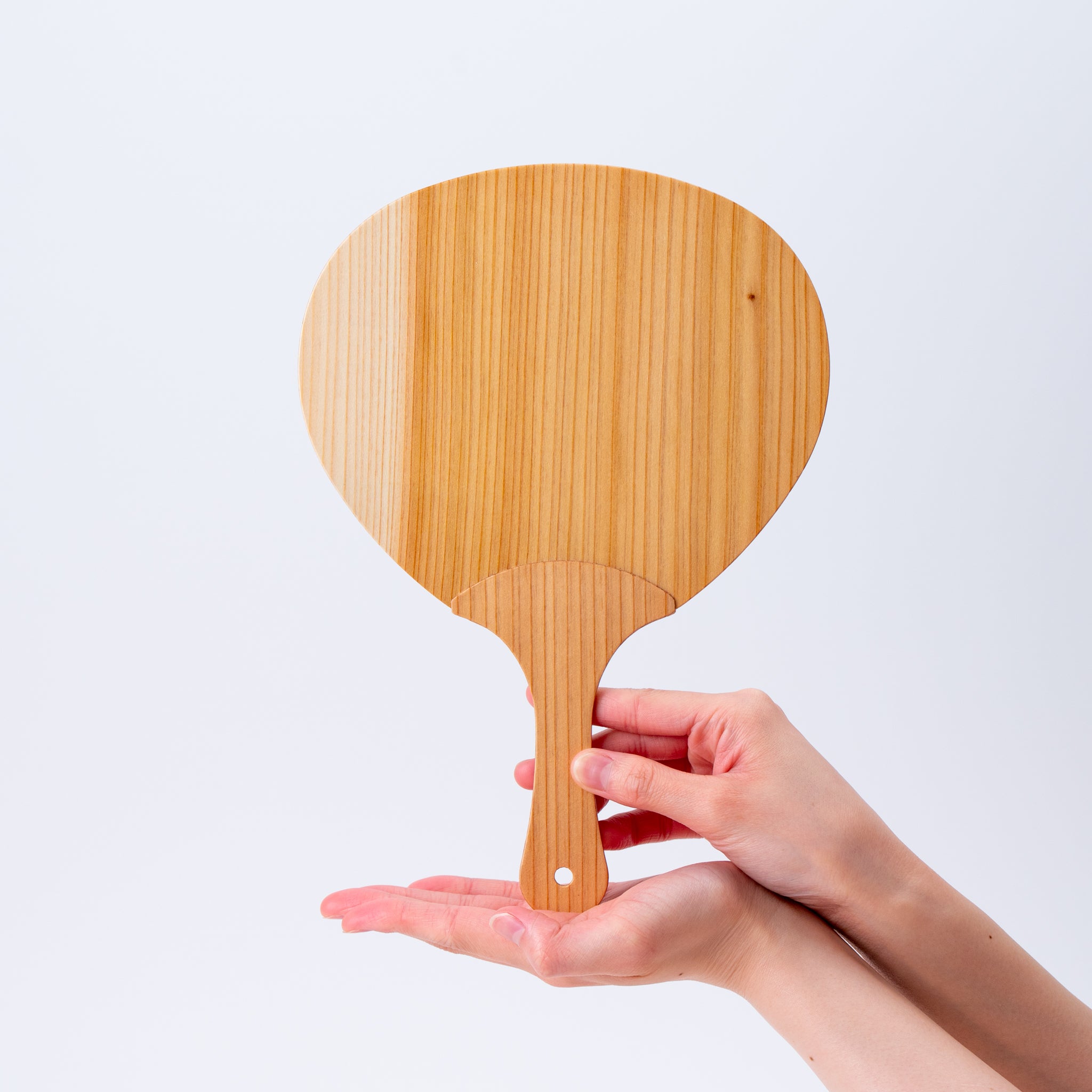
Uchiwa Shape Plate with Swallow
The fan shape (Uchiwa) represents "Suehiro-gari"—the widening of luck as it spreads outward toward the future. It is the perfect vessel for serving the red and white fish cake (Kamaboko), which represents the rising sun. The hand-painted swallow on this plate adds a layer of "Safe Return"—ensuring that your family always finds their way back to this table year after year.
Shop Now
Sakura Cherry Blossom Matcha Bowl
While Osechi is eaten in January, it is a wish for the coming spring. This vibrant Sakura-patterned bowl acts as a "Time Machine" on your New Year's table, bringing the hope of the spring bloom into the middle of winter. Its wide mouth and heavy walls make it the ideal vessel for serving "Ozoni" (traditional New Year's mochi soup)—the heat stays inside while the blossoms dance on the outside.
Shop Now
Rabbit & Carrot Kobachi Bowl
The "Kuromame" sweet black beans represent hard work (Mame). What better way to serve them than in a small Kobachi bowl featuring the rabbit—the ultimate symbol of agility and diligent effort? This combination creates a powerful psychological "anchor" for your guests: by eating the beans from this bowl, they are mentally committing to a year of productive, focused success.
Shop Now
Wooden Serving Oke Tub
If you don't own a traditional multi-layered lacquered Jubako, this natural wood Oke tub is the most authentic Japanese alternative. Its wide, circular shape represents the "En" (circle/bond) of the family. Filling this tub with a vibrant arrangement of New Year's delicacies creates a stunning centerpiece that encourages everyone to reach in and share the luck together. It is a Jubako that breathes.
Shop Now
Neko Cat Face Soba Choko
New Year's in Japan is not just serious ritual; it is a time for "Warau-kado-ni-fuku-kitaru" (Luck comes to the house that laughs). Serving the festive "Toso" (spiced sake) in these massive, cheerful cat-faced Soba Choko cups ensures that the first action your guests take in the New Year is to smile. A smile is the fastest way to invite a god into your house.
Shop NowThe Finale: Give Your Kitchen a Rest
We are a culture of "The Grind." We believe that the more effort we put into a meal—the more we sweat, the more we burn, the more we panic at the oven—the more it counts as love. We have forgotten that the most sacred thing you can give your family isn't a hot meal. It is your **presence**.
The ancient Japanese created Osechi-ryori as a way to shut down the kitchen so that for three days, the entire family—including the host—could simply exist together in peace. They cold-cooked the feast because they realized that the "God of the Hearth" isn't the only one who needs a break. You do too.
This year, stop the last-minute roasting. Stop the frantic reheating. Buy beautiful Japanese ceramic bowls and a wooden Oke tub. Fill them with simple, meaningful ingredients prepared in advance. Stack your luck, set the table, and sit down. Turn off the stove, turn off the noise, and for the first three days of the year, let your kitchen—and your soul—simply be at rest. That silence is where the luck actually begins.