Journal
creative reuse
The Trash That Became a Treasure: How a 16th-Century Tea Master Taught Japan to Stop Following Instructions
Why do Japanese designers use tea saucers as soap dishes and ramen bowls as flower vases? Discover the psychological magic of "Mitate"—the 500-year-old art of re-imagining objects through pure imag...
mental health
Feeling Stuck in Life? The Japanese Cure of "Mitate" (Re-Imagining)
Are you feeling creatively stuck in a rut? Discover the playful Japanese Zen philosophy of "Mitate" (Re-Imagining), which teaches you how to break rigid rules. Plus, learn how to re-imagine savory ...
japanese mugs
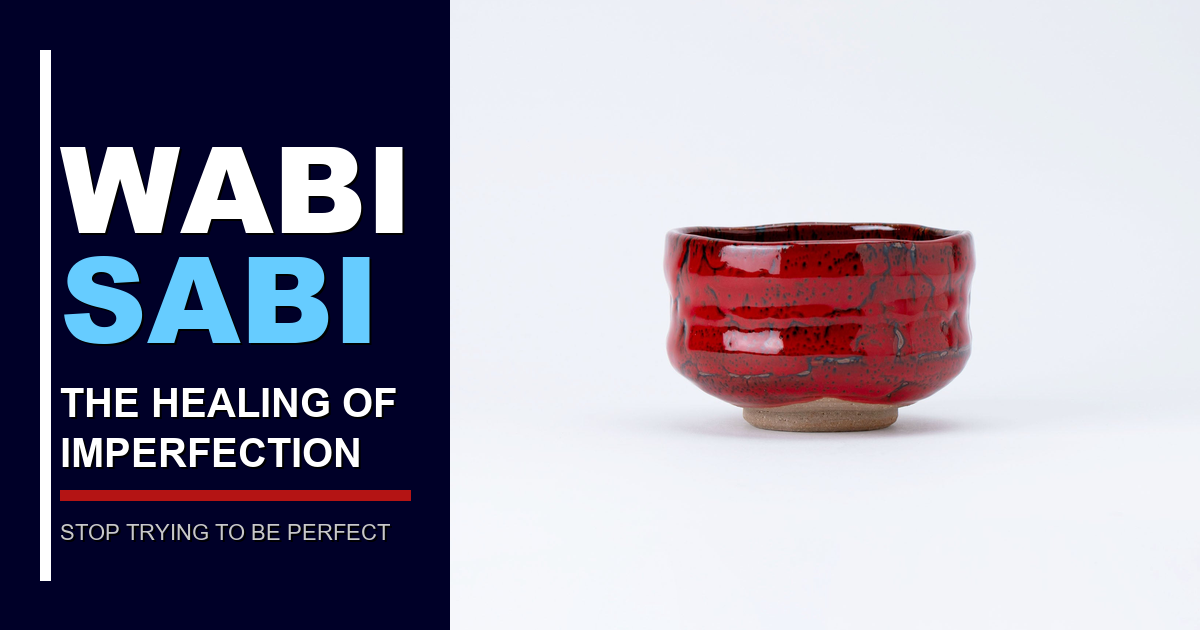
Wabi-Sabi Aesthetics: What Makes Minimalist Japanese Mugs So Special?
What does Wabi-Sabi actually mean? Discover the 16th-century history of Japan's most famous aesthetic philosophy, learn why imperfect, asymmetrical clay mugs are highly prized, and find out how anc...

ceramics
How to Make Matcha Tea Without a Whisk (+ Why the Bowl Still Matters)
Intimidated by the traditional bamboo matcha whisk? Discover 3 easy hacks to make perfect matcha tea using tools you already have in your kitchen, and learn why an authentic Japanese Matcha Bowl (C...