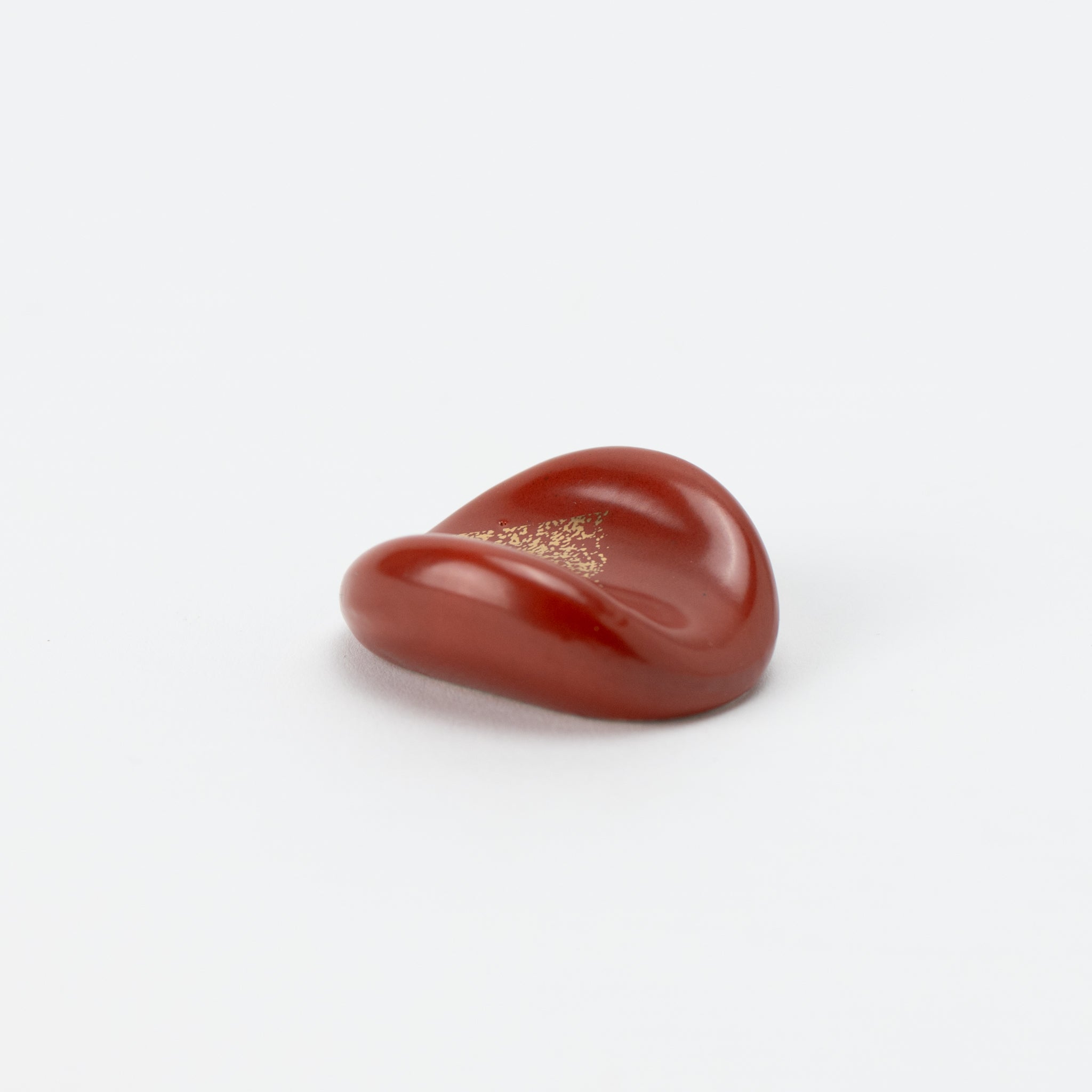

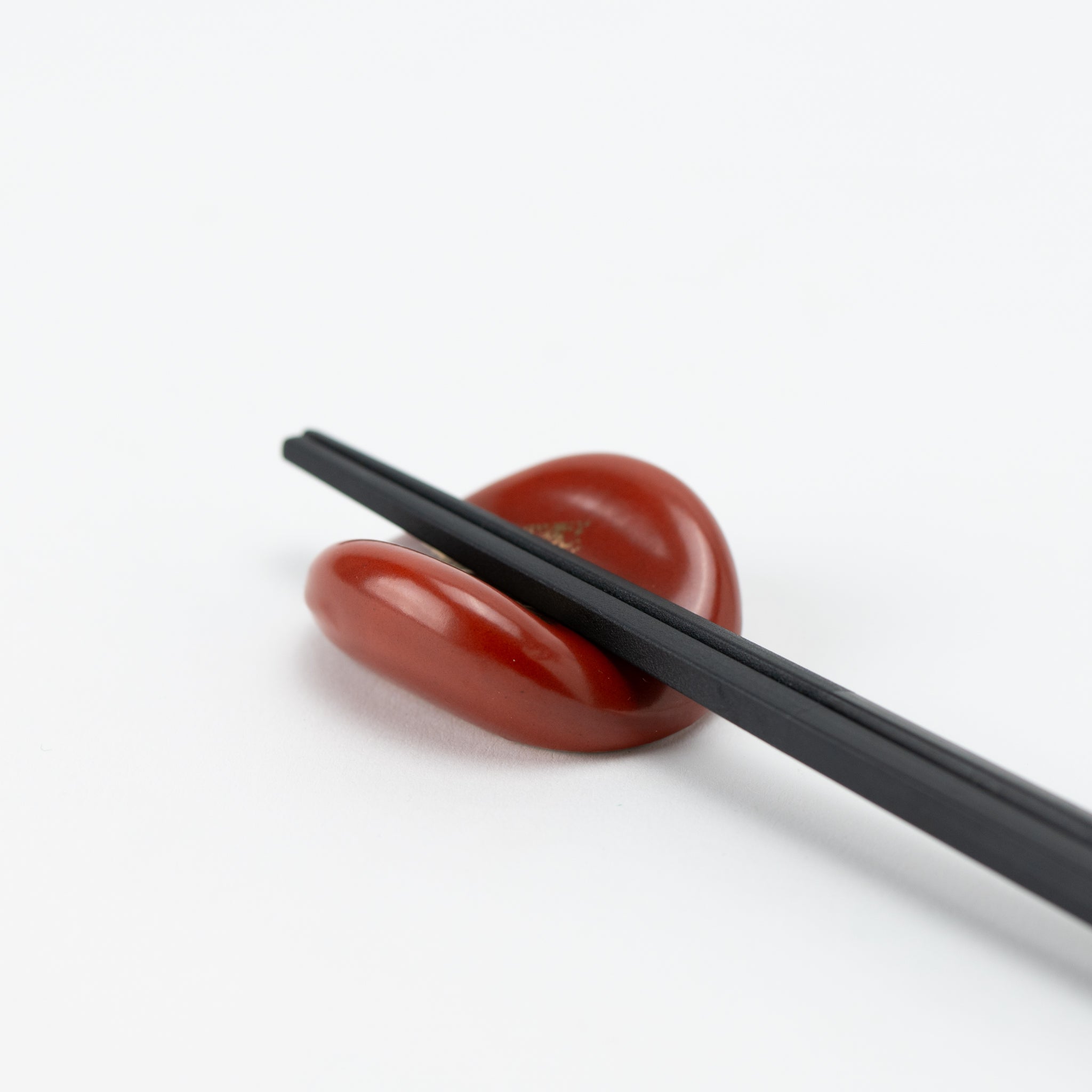
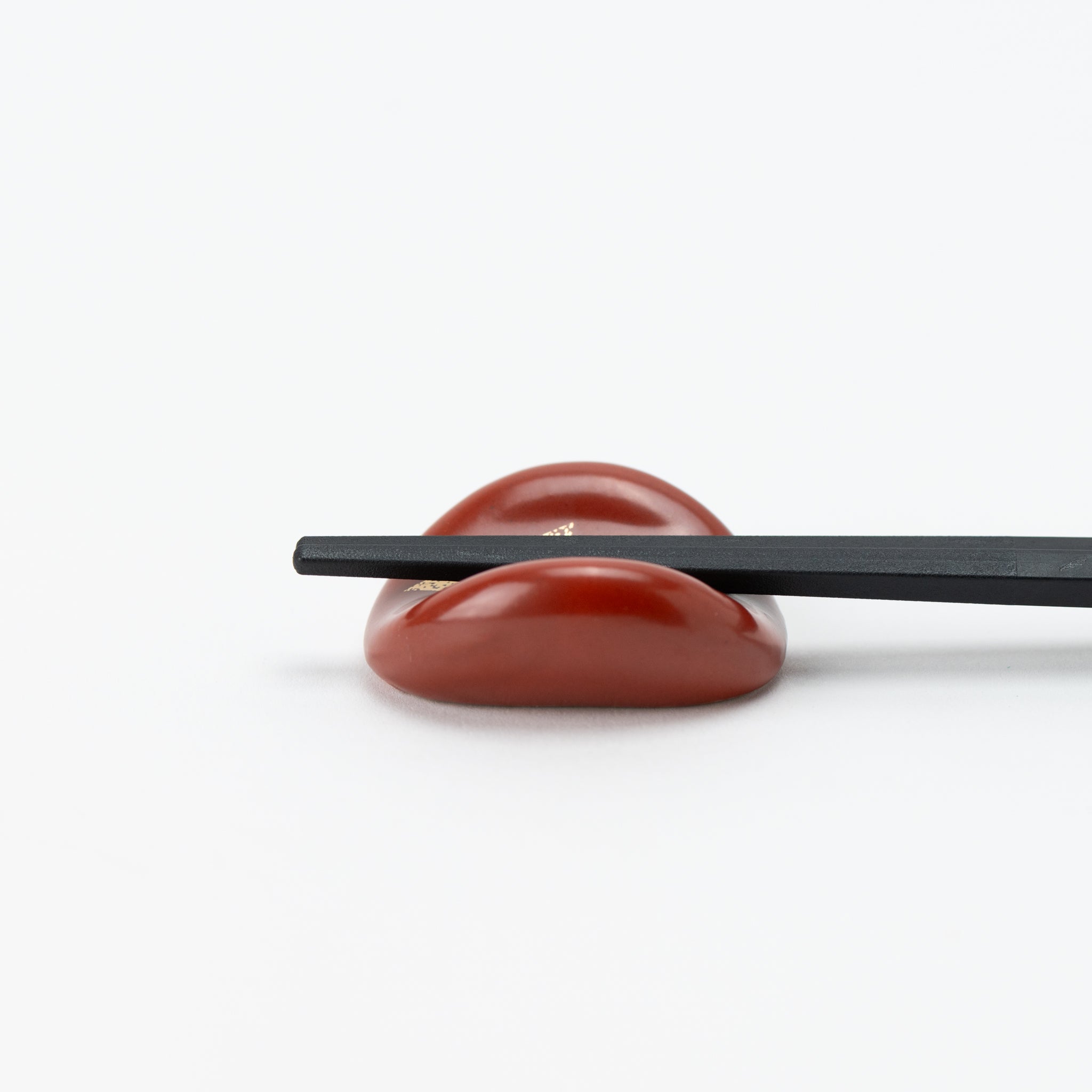
Gold Brown Matte Cocoon-Shaped Chopstick Rest




Discover a truly special piece where Japan's rich heritage gracefully merges with contemporary dining. This exquisite historic Tajimi ceramic Gold Brown Matte Cocoon-Shaped Chopstick Rest brings an elegant shimmer and refined presence to any table setting.
Characterized by its sophisticated gold brown matte texture and a gracefully classic form reminiscent of a delicate cocoon, this chopstick rest is designed to elevate. Even the simplest chopsticks are transformed, standing out with enhanced elegance and contributing to a beautifully curated dining experience.
The Rich History and Enduring Tradition of historic Tajimi ceramic
Flourishing during Japan's vibrant Momoyama period alongside the opulent tea ceremony culture, historic Tajimi ceramic (traditional Tajimi pottery) has been primarily produced in Toki City, Gifu Prefecture. It was particularly cherished by tea masters during an era that gave birth to Japan's profound aesthetic of "wabi-sabi" – a celebration of understated beauty and transient imperfection.
Today, historic Tajimi ceramic continues to be deeply woven into the fabric of Japanese daily life, accounting for over half of the nation's ceramic production. Its diverse and celebrated styles include:
- Kise-Seto: Known for its refined pale yellow hues.
- Seto-guro: Distinguished by its lustrous, deep black glaze.
- Shino: Characterized by a soft, milky white finish.
- Oribe: Recognized for its distinctive green accents and dynamic forms.
Important Considerations for Your Purchase
- Each chopstick rest is meticulously handcrafted by skilled artisans. As a result, slight variations in color, texture, and finish are natural and to be expected.
- We invite you to embrace these unique characteristics, which are a testament to the warmth and authenticity of handmade artistry.
Forged in History: The Kilns of Tajimi
Crafted in the legendary pottery town of Tajimi, this piece carries the DNA of Japan's ceramic golden age. In the 16th century, ceramics were not just tableware—they were high-stakes political tools used by warlords like Oda Nobunaga to forge alliances in the tea room. Potters in this region developed revolutionary techniques, firing their works in massive Anagama (cave kilns) at 1400°C, allowing the chaotic dance of ash and flame to paint the clay. This is not just a plate or a bowl; it is a continuation of a profound, dramatic history.
| Quantity | 1 |
| Size | W 4 cm (1.6 in) x L 4.5 cm (1.8 in) x H 1.5 cm (0.6 in) |
| Weight | 37 g (0.1 lbs) |
Choose options